

Close Menu
DPC Virtual Tips
    Read More

    How to Troubleshoot Packet Drops on an ESXi Host

    August 16, 2026

    SlurmDBD Is Down: What Continues Working and What Does Not

    August 15, 2026

    How to Investigate Jobs Stuck in COMPLETING State on Slurm

    August 14, 2026
    • Home
    • About Us
    • Contact
    • Cookie Policy
    • Comment Policy
    • Privacy Policy
    • Terms of Use
    • Disclaimer
    Tuesday, August 25
    DPC Virtual Tips
    • Home
    • Operating Systems
    • PowerFlex
    • HPC
    • Virtualization
    • About the Author
    • About Us
    • Contact
    DPC Virtual Tips
    Home » Installing Docker Engine on CentOS
    Operating Systems

    Installing Docker Engine on CentOS

    DaniloBy DaniloDecember 28, 2023Updated:July 30, 2026No Comments2 Mins Read
    Facebook Twitter Pinterest LinkedIn Tumblr Email
    Installing Docker Engine on CentOS
    Share
    Facebook Twitter LinkedIn Pinterest Email

    Installing Docker Engine on CentOS is an article that shows how to install the Docker container application on Linux CentOS.

    First and foremost, we have written an article explaining installing CentOS Linux. You can read this article by accessing the following link:
    https://dpcvirtualtips.com/installing-linux-centos-7/

    Note: We are using CentOS 7 in this case!

    1. Firstly, we need to make some adjustments to the CentOS repositories. Edit the file “/etc/yum.repos.d/CentOS-Base.repo” and uncomment each line starting with “#base”:
    cat /etc/yum.repos.d/CentOS-Base.repo | grep -i "#base"

    This step is necessary to make the CentOS repositories reachable. Additionally, we need to disable the IPv6 protocol:

    sysctl -w net.ipv6.conf.all.disable_ipv6=1

    2. Set up Docker’s repository:

    yum install -y yum-utils
    yum-config-manager --add-repo https://download.docker.com/linux/centos/docker-ce.repo

    Note: If you receive an error after executing the second command (yum-config-manager), enable the IPv6 support again, reboot your system, and try this step again. To enable the IPv6 support:

    sysctl -w net.ipv6.conf.all.disable_ipv6=0

    3. Install Docker Engine. In this case, for instance, we are installing the latest Docker version available at the moment:

    yum install docker-ce docker-ce-cli containerd.io docker-buildx-plugin docker-compose-plugin

    4. Start the Docker daemon (if the Docker daemon is not running, you can enable and start it by using the following command):

    systemctl enable docker
    systemctl start docker
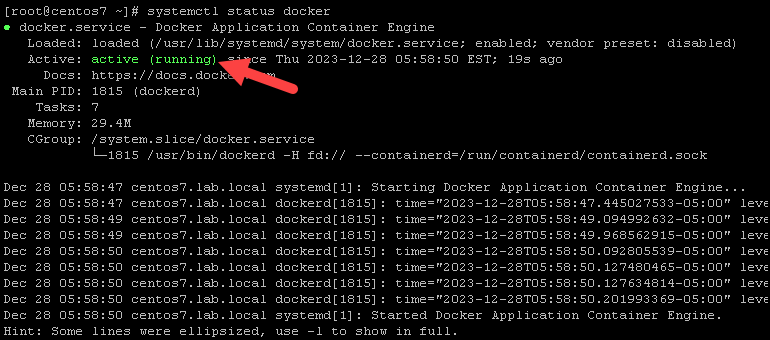
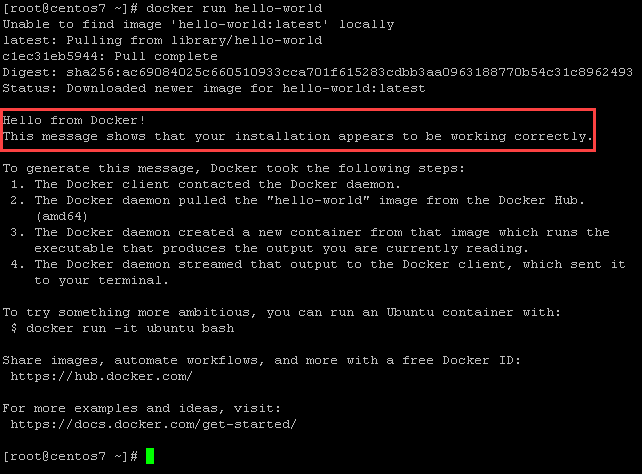
    5. Verify that the Docker Engine installation is successful by running the “hello-world” image. We will create a container based on this image just to check the Docker Engine:

    docker run hello-world

    This command downloads a test image and runs it in a container. When the container runs, it prints a confirmation message and exits. You have now successfully installed and started Docker Engine:
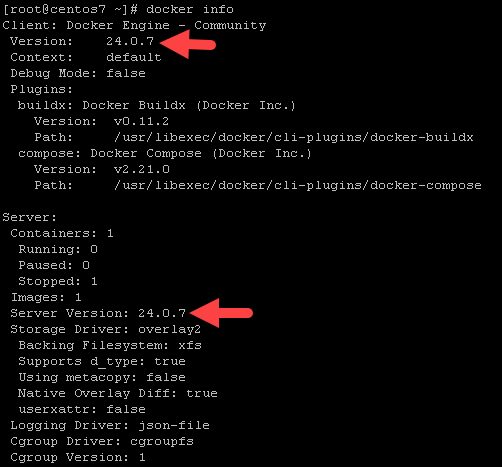
    6. We can run the command “docker info” just to check the details of the docker version installed on our system:

    docker info
    Source: https://docs.docker.com/engine/install/centos/

    Share. Facebook Twitter Pinterest LinkedIn Tumblr Email
    Previous ArticleInstalling Linux CentOS 7
    Next Article Installing Docker Compose on CentOS
    Danilo

    Infrastructure Engineer with experience in Virtualization, Linux, Windows Server and learning automation using Python. DPC Virtual Tips was created to share practical tutorials, lab experiences and troubleshooting guides focused on enterprise infrastructure technologies.

    Related Posts

    Linux Server Has Free Memory but Is Swapping: Why?

    August 13, 2026

    How to Determine Whether Packet Loss Is Local or Network Related on Linux

    August 12, 2026

    How to Investigate TCP Retransmissions on Linux

    August 11, 2026

    Comments are closed.

    Search
    Categories
    • HPC (12)
    • Operating Systems (85)
    • PowerFlex (22)
    • Virtualization (130)
    Read More
    Virtualization

    How to Troubleshoot Packet Drops on an ESXi Host

    By DaniloAugust 16, 20260
    HPC

    SlurmDBD Is Down: What Continues Working and What Does Not

    By DaniloAugust 15, 20260
    HPC

    How to Investigate Jobs Stuck in COMPLETING State on Slurm

    By DaniloAugust 14, 20260
    Operating Systems

    Linux Server Has Free Memory but Is Swapping: Why?

    By DaniloAugust 13, 20260
    Operating Systems

    How to Determine Whether Packet Loss Is Local or Network Related on Linux

    By DaniloAugust 12, 20260
    Latest Posts

    How to Troubleshoot Packet Drops on an ESXi Host

    August 16, 2026

    SlurmDBD Is Down: What Continues Working and What Does Not

    August 15, 2026

    How to Investigate Jobs Stuck in COMPLETING State on Slurm

    August 14, 2026
    Images from Gallery
    hpc main commands
    linux commands
    install rock linux
    lustre fs
    shell scripting
    vSAN Trace Files
    Categories
    • HPC
    • Operating Systems
    • PowerFlex
    • Virtualization
    • Home
    • About Us
    • Contact
    • Cookie Policy
    • Comment Policy
    • Privacy Policy
    • Terms of Use
    • Disclaimer
    Copyright © 2026, DPC Virtual Tips. All rights reserved.

    Type above and press Enter to search. Press Esc to cancel.

    We use cookies to ensure your best experience on our website. If you continue using our website, we'll assume you agree to our cookie policy